How In-Home ABA Therapy Helps Children Thrive Where They Feel Safest
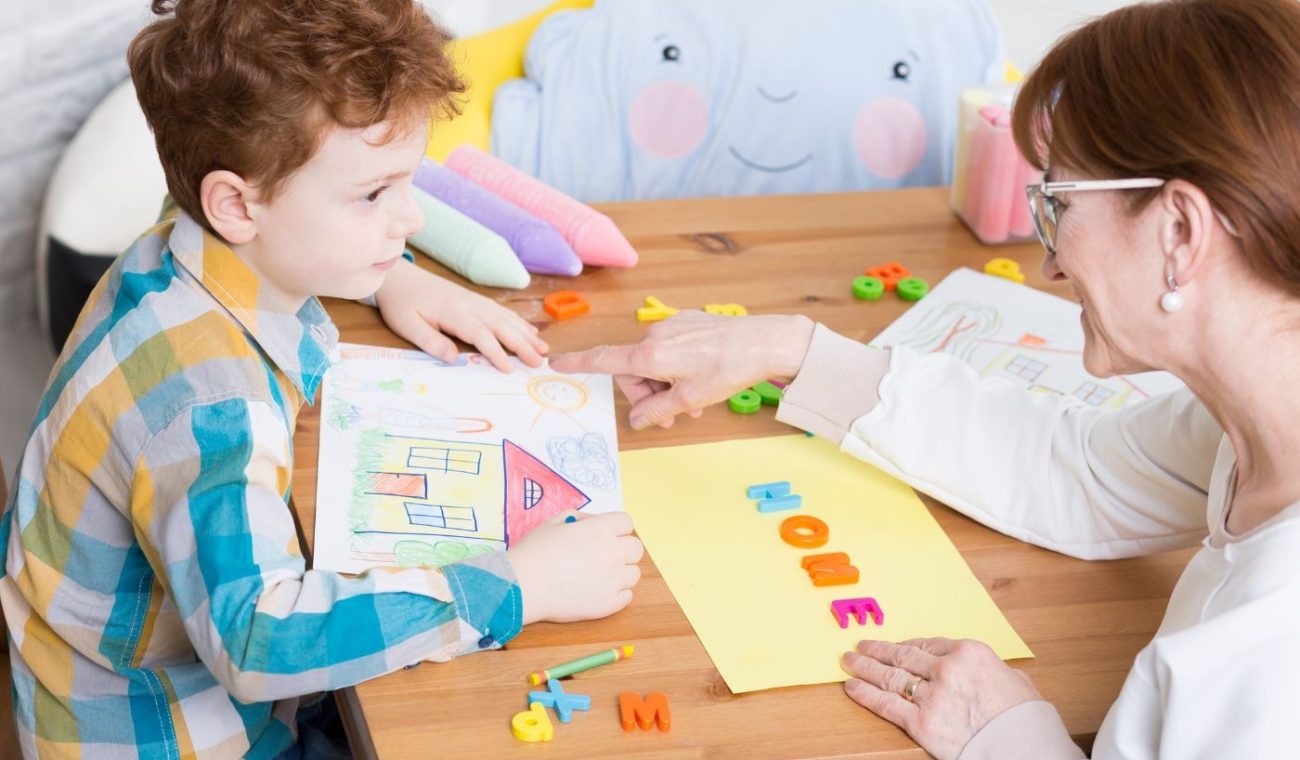
When a child receives an autism diagnosis, parents often face a flood of new terms, waitlists, forms and decisions.
Applied behavior analysis, or ABA, is one of the most widely used therapies for children with autism. It focuses on building useful skills, like communication and self-care, while reducing behaviors that get in the way of learning.
For many families, the most comfortable place to start is right at home.
Learning in a Familiar Place
Home is where a child already knows the sounds, the smells, the people and the routines. That familiarity can make a big difference.
New places can be overwhelming for children with autism. Bright lights, unfamiliar faces, long car rides and noisy waiting rooms can raise stress before a session even begins. At home, much of that pressure goes away.
A calmer child is often more ready to learn. Instead of spending energy adjusting to a new setting, they can focus on the skills in front of them.
Learning at home also means the skills are practiced exactly where they’ll be used. A child who learns to ask for a snack in their own kitchen doesn’t have to figure out how to transfer that skill from a clinic to real life.
Parents benefit, too. When therapy happens in the living room, moms and dads can watch, ask questions, share concerns and pick up strategies to use between sessions.
Building Skills Into Everyday Routines
In-home ABA works best when therapy blends into normal family life.
Therapists often use the day’s natural moments as teaching opportunities. Getting dressed, brushing teeth, eating meals and cleaning up toys can all become chances to practice new skills.
Playtime is a good example. A therapist might sit on the floor with a child and a box of blocks. Instead of handing over every block, they might wait for the child to ask, point, sign or hand over a picture card. That simple pause turns a game into a lesson in communication.
Mealtime offers its own lessons. A child might practice using a spoon, asking for more, waiting their turn or trying a new food in small steps.
Morning routines can be broken into smaller tasks, too. A visual chart might show each step, from putting on socks to zipping a backpack, so the child can follow along with growing confidence.
Choosing the right provider shapes all of this. Families should look for a trusted, established team, such as Autism Home Services LLC, which serves families in Northwest Indiana and the Chicago area. Ask whether therapy is supervised by a board-certified behavior analyst, how goals are set, how often progress is reviewed and how parents are included along the way. A good provider will welcome those questions.
Celebrating Progress Through Positive Reinforcement
At its best, ABA focuses on what a child does well, not just what needs to change.
Positive reinforcement means rewarding a behavior so it’s more likely to happen again. The reward might be praise, a high-five, a favorite toy or a few extra minutes of a preferred activity.
Consider a young boy who struggles with transitions. Every time he has to stop playing and come to the table, he cries. His therapist starts by offering lots of praise and a sticker each time he makes the switch, even if it takes a little while. Over several weeks, the crying fades. Eventually, he walks to the table on his own.
Or picture a girl who rarely speaks to ask for help. Each time she uses a word or sign to say what she needs, her therapist responds right away. She learns that her words work, and she starts using them more often.
Small wins like these build on each other. Over time, they add up to greater independence at home, at school, with friends and out in the community.
Moving Forward With Confidence
Every child’s path looks different, and progress rarely moves in a straight line.
What matters most is consistency, patience, teamwork and a plan built around your child’s strengths. With the right support in a place they already love, children can grow in ways that make daily life easier and happier for the whole family.