Flexible Side-Tent Choices for Vehicle Camping: Practical Options for Comfortable Trips
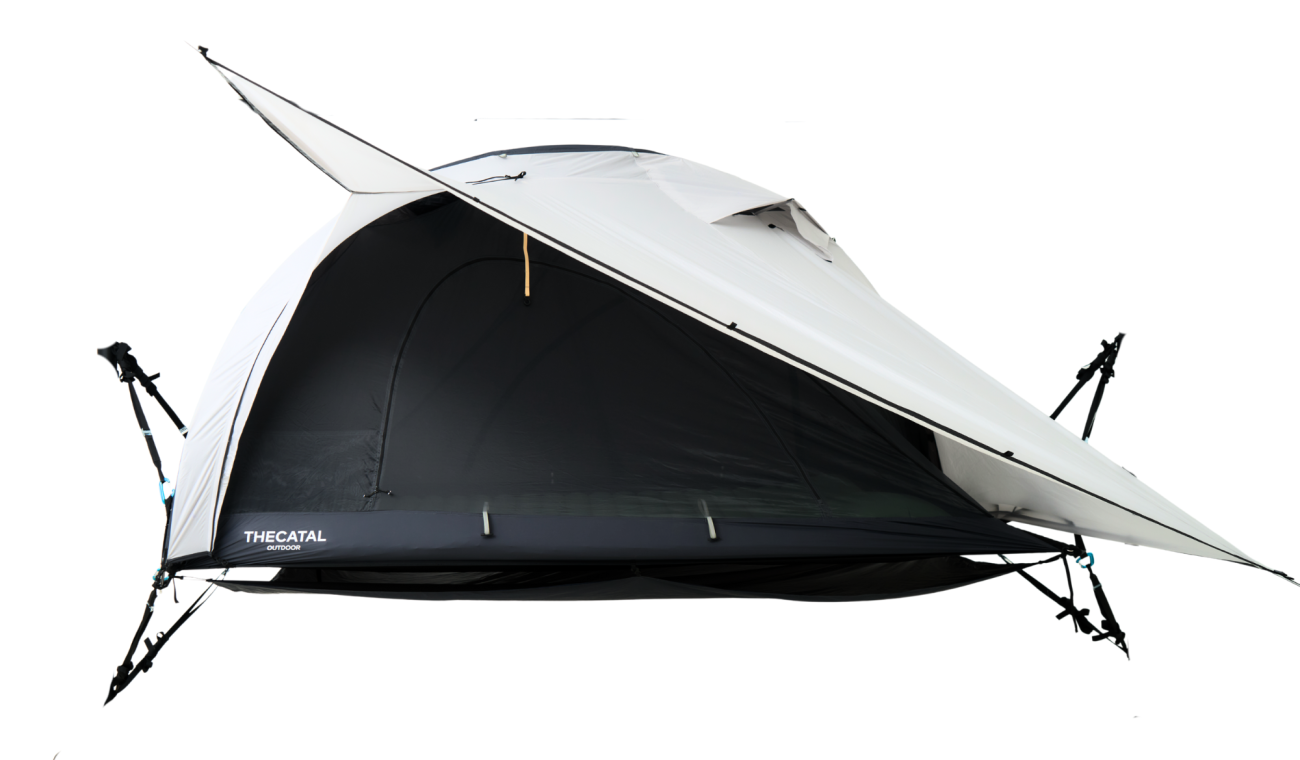
Start with what you and your vehicle actually need
If you set off from your vehicle for short stays or long weekends, the right side-tent should answer a few plain questions: who sleeps there, how long you stay, and how much time you want to spend pitching. I recommend thinking first about daily use rather than ideal scenarios; a glam camping tent is lovely for comfort, but many vehicle-side solutions win on speed and low fuss. Decide whether the tent must serve as sleeping space, sheltered kitchen, or both, then match features to those daily needs.
Common side-tent types and what they give you
Awnings attach along the vehicle roofline and give fast shade and a dry entry. Annexes bolt on and expand sleeping room with a closer join to the vehicle. Tailgate tents convert the rear of vans or SUVs into sheltered space. Pop-up side tents are best when you need one-person setup and takedown. Each type trades setup time against protection: choose awnings for quick breaks, annexes when you want a weatherproof sleeping area, and pop-ups when you’ll move camps often. Pick a style that fits how you camp, not how you wish you camp.
Installation mistakes travellers often make
People commonly fit a side-tent that won’t align with door height, ignore the vehicle’s tie points, or underestimate wind loading. Check your vehicle’s mounting system before buying; not every rack or rail will accept every kit. Anchor points matter—soft ground needs longer pegs, rocky sites need deadman anchors or heavy ballast. Ventilation is often skipped; a sealed annex traps condensation quickly unless you plan for airflow. Lastly, test one full setup at home so you don’t learn under poor weather and stress.
Sizing, seasons and when you need large capacity
If you host large groups or family gatherings near established group sites—such as those at Yosemite National Park—consider a true group shelter instead of relying only on side attachments. A dedicated 12 person camping tent handles sleeping arrangement, storage, and heavier weather loads far more gracefully than multiple small annexes tied together. Match season rating (summer mesh vs three-season weatherproofing) to the worst conditions you expect, not the average.
Choosing between side-tents and alternatives
Rooftop tents remove the need for perfect ground but raise centre of gravity and slow fuel economy. Tow-behind trailers give generous living space but cost more and need storage. Freestanding gazebos work well for communal cooking but don’t block wind as reliably as an annex attached to the vehicle. For short road trips where speed and simplicity matter, a side-tent or awning will usually be the pragmatic choice.
 Practical checklist before you buy
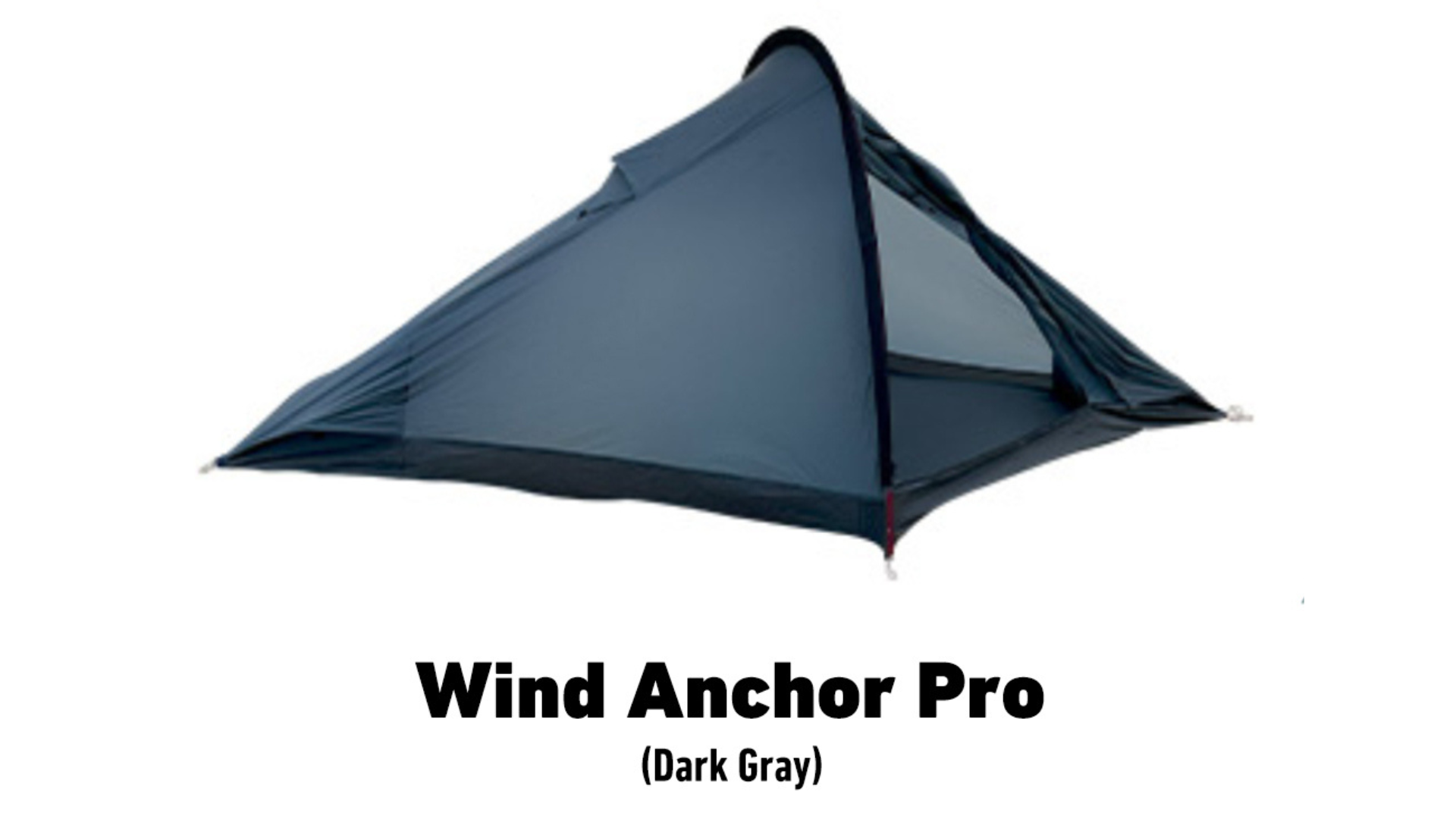
Measure door height and roof mounting compatibility. Check waterproof rating, seam-tape quality, and zippers. Confirm pegs and guyline strength for expected wind. Try a single-person setup at home to check pole layout and fabric tension. Ask about replacement parts and fabric warranty—those are the details that keep a tent useful season after season.
Wrap-up that helps you decide
Focus on how you camp most often and choose a side-tent that reduces friction: quicker pitch, reliable anchors, and correct season rating. When group size or severe weather becomes the reality, a large shelter can replace a cluster of annexes. For many traveller groups I work with, THECATAL becomes the quiet hub where practical options and clear specifications help match the right solution to how people actually travel, not to marketing promises.