Smart Garden Habits: Practical Home Gardening and Interior Synthesis
Practical strategies for blending gardening skills with home improvement, interior flair, and decor for a cohesive living space.
Choosing the Right Tools for a Calm, Productive Garden
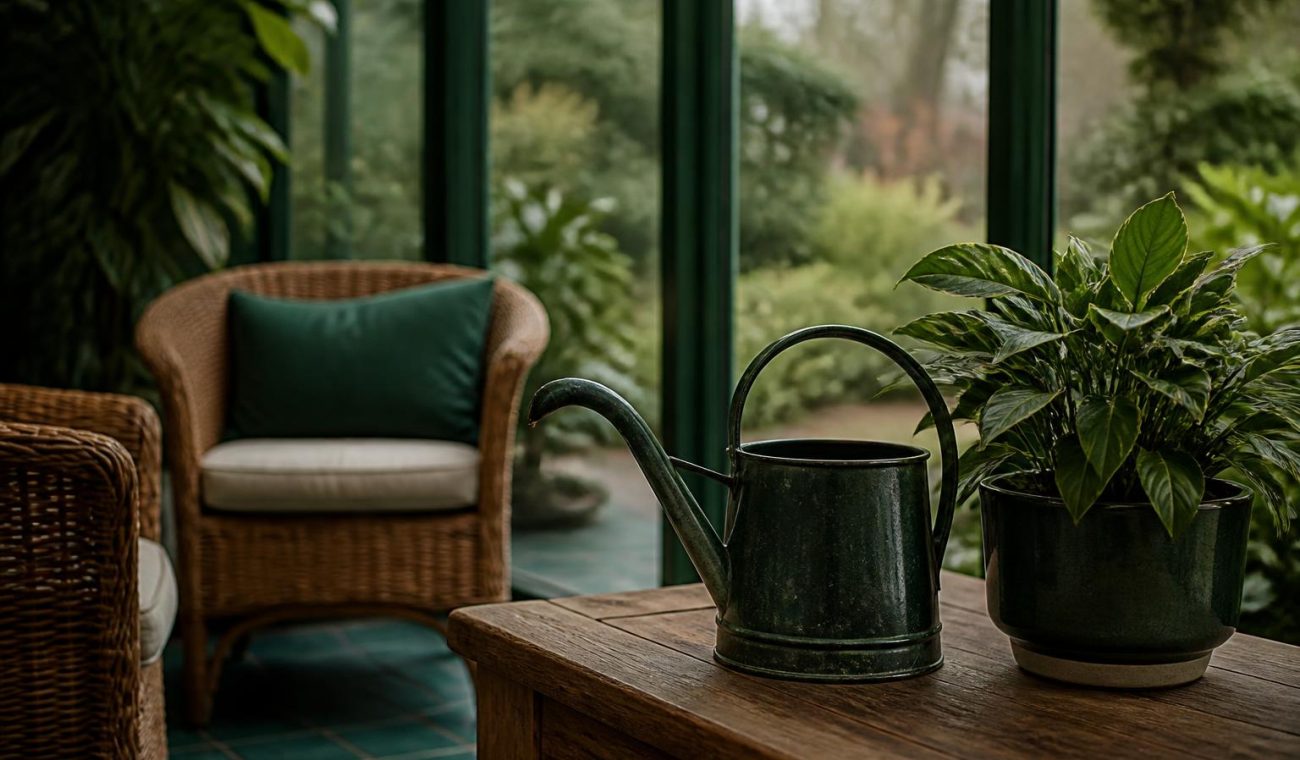
Creating a garden that thrives starts with reliable tools and a plan that fits your space and routine. Start by surveying sunlight, soil, and water access, then map out zones for vegetables, herbs, and ornamentals. Invest in durable, ergonomic gear and organize storage to reduce clutter and time spent searching. For beginners, a balanced starter kit plus a single, high-quality tool set the tone for consistent care, growth, and satisfaction. electric hedge trimmer can be a pivotal upgrade when trimming hedges and shaping formal borders, especially in compact yards.
When planning, consider how your yard connects to the interior living space. A simple path, a bench, or a small fountain can extend the home outdoors, inviting natural light inside and encouraging outdoor dining. Establish a routine for seasonal tasks: pruning, mulching, and seed sowing should align with weather patterns and the house’s electricity and water access. A thoughtful approach reduces surprises and fosters steady progress toward flourishing greenery.
Layers of Color and Texture for Everyday Elegance
Good garden design begins with a color plan that echoes interior decor choices while complementing seasonal shifts. Choose a repeated color family across foliage, flowers, and containers to create harmony that feels intentional rather than chaotic. Texture—glossy leaves, matte pots, and wispy grasses—adds depth and interest, elevating curb appeal and interior views without becoming overwhelming. This balance supports a serene, welcoming home aesthetic.
Texture also invites tactile engagement, encouraging you to touch, smell, and observe plant life up close. Pair sturdy evergreen backdrops with flowering accents to maintain year-round structure while offering bursts of color. Consider container sizes and materials that mirror furniture selections inside, reinforcing a cohesive decor narrative from garden to living room through thoughtful repetition and contrast.
Smart Irrigation and Water Wisdom
Efficient watering starts with a simple system and a realistic schedule. Use drip irrigation or soaker hoses to minimize evaporation and fungal disease, running hoses during cooler parts of the day to protect plant roots. Group plants with similar water needs to simplify maintenance, then adjust flows seasonally as growth patterns shift. A rain barrel can supplement your supply while teaching household members about water stewardship.
Beyond mechanics, set up a routine that integrates with daily chores. Check soil moisture weekly, replace worn hoses, and calibrate timers to reflect weather changes. Hydration-conscious landscape planning reduces waste and keeps plants thriving through heat waves or drought, supporting a healthier home environment and lower utility costs over time.
Edible Gardens: From Patch to Plate
Growing edible greens and herbs adds flavor, nutrition, and pride to home improvement projects. Design a dedicated bed or raised planters close to the kitchen for easy harvests, and select varieties that mature quickly to maximize returns on effort. Use companion planting to deter pests and improve yields, while rotating crops to maintain soil health and prevent nutrient depletion, ensuring a steady harvest throughout the season.
Cooking and gardening intertwine when you schedule regular harvests and preparation sessions. Preserve excess produce through freezing, drying, or quick pickling to extend its life and reduce waste. This approach reinforces a practical connection between interior nutrition and exterior effort, turning gardening into an ongoing source of decor inspiration, fresh meals, and financial mindfulness.
Maintenance Rhythms That Respect Your Time
A practical maintenance plan keeps plants healthy and your stress low. Create a quarterly calendar that assigns tasks to weekends or lighter workdays, such as pruning, fertilizing, and soil testing. Use mulches to conserve moisture and deter weeds, reducing the need for frequent labor. A consistent routine builds momentum, supports plant resilience, and preserves the overall beauty of your space.
As you refine systems, document what works and what doesn’t. Track rainfall, growth rates, and pest observations to tailor interventions. A well-documented approach not only saves time but also informs interior decor decisions that rely on seasonal color shifts and plant availability, strengthening the home’s holistic atmosphere.
Decorative Transitions: Inside and Outside Harmony
Decor plays a pivotal role in connecting garden and interior. Choose outdoor furniture, planters, and art that reflect indoor style, using similar materials, colors, and silhouettes. A cohesive palette unifies spaces and makes seasonal transitions feel intentional rather than incidental. Lighting is crucial; warm-toned fixtures keep evenings inviting and extend usable hours for outdoor gatherings.
Crafting a narrative with decor means alternating focal points and quiet corners. A trellis with climbing vines can mirror a statement wall inside, while small statues or birdbaths echo interior accents without competing for attention. Regularly assess scale and balance to ensure that outdoors remain an extension of your interior design philosophy rather than a separate, disconnected scene.
Seasonal Shifts: Preparing for Change with Confidence
Seasonal planning anchors a resilient garden and a refreshed interior mood. Inventory seeds, clippers, and soils at the start of each season, then align bed rotations with anticipated weather patterns. Prune aggressively in late winter to encourage robust spring growth, while applying mulch in early autumn to protect roots from temperature swings. These safeguards keep both the garden and home spaces vibrant year after year.
As days grow shorter or longer, adjust lighting and plant schedules to maintain energy and motivation. Introduce hardy annuals for quick color during transitions, and plan larger tasks for milder days. A proactive rhythm supports less stress and more creativity, enabling you to enjoy the process of gardening while refining interior decor around the seasons.
Textural Details That Elevate Your Outdoor Rooms
- Layered planters of varying heights create visual interest and define seating areas.
- Statement pots that echo indoor colors help blur the line between interior and exterior.
- Seasonal textiles and cushions can be swapped to reflect decor updates while keeping the garden fresh.