Comparative Insight: How Laser Engraver Fume Extractors Shape Cleaner, Safer Workshops
Introduction — Scene, Data, Question
Have you ever walked into a workshop after a long day of cutting and thought, “Why does the air feel like an old attic?” I have — and that’s where the story starts. A laser engraver fume extractor sits right by the machine in my shop, and yet I still watch dust and smell off-gassing if things aren’t tuned just so. Recent studies show particulate and VOC spikes during engraving sessions can exceed safe limits by two to five times in poorly ventilated rooms (small spaces, big risk). So I ask: how do we balance productivity with clear air — without turning every bench into a science lab?
I’ve tracked a few numbers, noted worker complaints, and tested different set-ups. I’m not here to preach; I’m sharing what I’ve learned the hard way. The scene is familiar: a clear cut on wood, crisp detail on acrylic, then a cough, a headache, a worried pause. What do those spikes look like in ppm? How fast does a HEPA filter clear the room? Those are the questions I ask out loud when I evaluate systems. I’ll take you from the problem to the tech that helps — and show you where many systems stumble. Ready to dig in? Next, we’ll look under the hood — the real flaws most people miss.
Where Traditional Solutions Fall Short
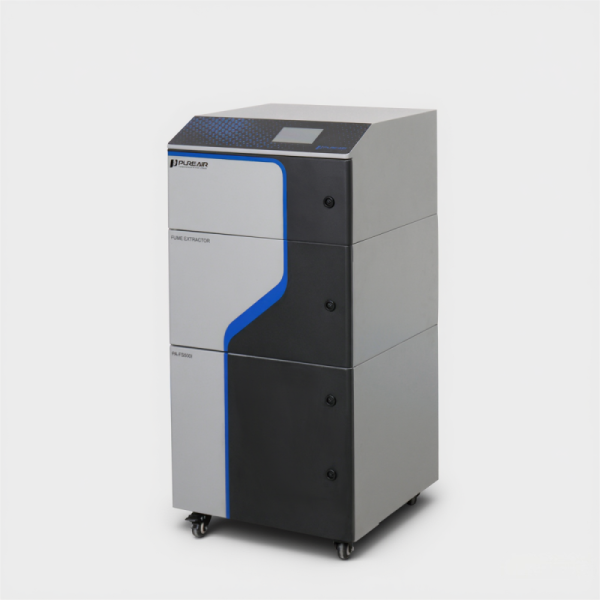
fume extractor for laser engraver — that phrase shows up in spec sheets and sales pages, but the reality on the bench is messier. I’ve seen units that promise fast capture but deliver weak suction because the fan size and airflow rate are mismatched to the workspace. Look, it’s simpler than you think: if the unit can’t keep the plume inside the capture hood, contaminants escape. Common weak links? Poorly sealed extraction duct, undersized fan, and cheap pre-filters that load up in a week. I’ve had systems where the activated carbon clogged fast and the HEPA filter showed visible residue after only a few runs. That tells you two things: the source control is poor, and maintenance was an afterthought — which I'll argue is the root cause of most failures.
 What breaks first?
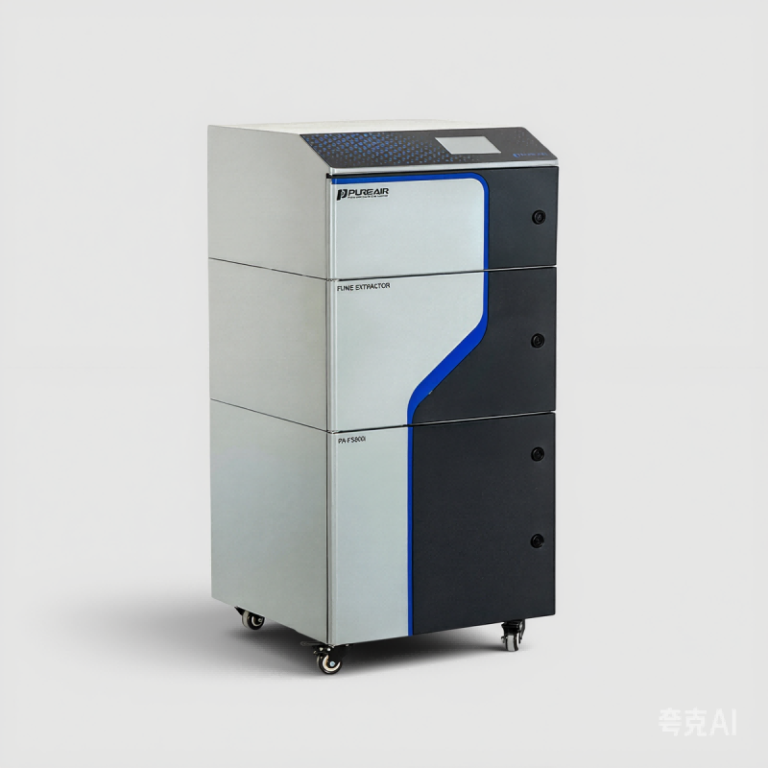
From a technical view, the typical failure chain starts with airflow drop, then sensor drift, then filter saturation. In my tests, a clogged pre-filter can halve capture efficiency within days. Then the ppm sensor reads higher and the operator throttles back production — or worse, ignores it. You can throw in fancy microcontroller logic and variable fan speed controllers, but if the design doesn’t match the material load (think acrylic melting vs. wood smoke), the system will lag. I’m blunt here because I want you to avoid the same mistakes I made: buy for real cubic feet per minute (CFM), not for a logo or a glossy photo. — funny how that works, right?
Looking Ahead: New Tech Principles and Practical Choices
Now let’s shift forward. I believe the best designs will blend smart sensing with robust capture. New principles I watch for include active plume tracking, which uses small ppm sensors and airflow mapping to nudge a fan or close a local hood, and modular filter stacks that swap quickly without tools. When a fume extractor for laser engraver pairs a calibrated ppm sensor with real-time fan control, it reduces overuse of carbon beds and extends HEPA life. I’m optimistic about filters layered by particle size — pre-filter, HEPA, then targeted activated carbon for VOCs. This tiered approach keeps the heavy stuff out early and saves the costly layers for what they do best.
What’s Next — Practical steps
Practically, I’d test units in situ (not just in a lab). Measure baseline ppm and particulate counts during a typical job. Check how long a pre-filter lasts. Ask about replacement lead times and real-world CFM under load. Don’t expect miracles; expect systems that give you predictable, measurable gains. Keep an eye on sensor calibration — drift ruins trust. — and remember: a slightly larger fan with decent noise control beats a tiny, loud unit that can’t capture the plume.
To wrap up, here are three metrics I rely on when I evaluate fume extractors: 1) Effective capture efficiency at the source (percent of plume captured), 2) Filter lifetime under your typical material mix (days or weeks), and 3) Real-world airflow rate (CFM) measured under load. Those three give me a clear, repeatable basis to compare options and to set maintenance schedules. I’ve used these in shops, in client audits, and in my own bench tests — they work. If you want a reliable partner in this space, I trust the engineering and service I’ve seen from PURE-AIR.